HMI and Industry 4.0: Turning an Operator Panel into an IoT Gateway
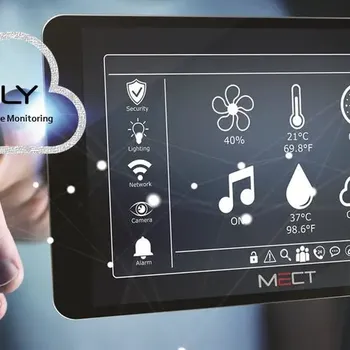
by MectIndustry 4.0 is revolutioning the way companies produce and manage their processes. One of the keys to this revolution is the integration of control and data acquisition systems with IoT (Internet of Things) technologies. In this article, we will explore how to use the power of Linux onboard Mect panels to transform an operator panel into an IoT gateway, enabling data acquisition, sending over MQTT protocol and remote monitoring.
The role of HMI in Industry 4.0
The HMI (Human Machine Interface) is the interface between man and machine, allowing the operator to interact with the control system. However, with the advent of Industry 4.0, the HMI must be able to do much more. It must be able to acquire data, send it to remote systems and receive instructions to act on it.
The choice of Linux as the operating system
Mect panels use Linux as their operating system, which offers a number of advantages. Linux is an open source operating system, so it can be customized and adapted to the user's specific needs. In addition, Linux has a large community of developers who help improve the operating system and provide support.
Data acquisition with Mect panels
Mect panels can acquire data from a variety of sources, such as sensors, actuators, and other control devices. Data can be acquired using protocols such as Modbus, Profibus, etc. Once acquired, data can be processed and sent to remote systems for further analysis and action.
Sending data over MQTT protocol
MQTT (Message Queuing Telemetry Transport) is a lightweight and efficient messaging protocol designed for sending data from IoT devices to central systems. Mect panels can use MQTT to send data to remote systems, such as data analysis servers or cloud applications. This provides complete visibility into processes and enables informed decisions to be made in real time.
Remote monitoring with Mect panels
Mect panels can be configured to allow remote monitoring of processes. This allows operators to monitor processes remotely, receive notifications when problems occur, and take corrective action in real time. Remote monitoring can be done using technologies such as VPN (Virtual Private Network) or SSL (Secure Sockets Layer) to ensure data security.
Example of implementation
An example implementation might be as follows:
- A Mect panel is installed on a production line to acquire data on temperature, pressure and production level.
- The data are sent to a data analysis server using MQTT.
- The data analysis server processes the data and sends notifications to operators in case of problems.
- Operators can monitor processes remotely using a web application and take corrective actions in real time.
Conclusion
In conclusion, Mect panels can be transformed into IoT gateways to enable data acquisition, sending over MQTT protocol and remote monitoring. Choosing Linux as the operating system offers a number of advantages, such as customization and a large developer community. Implementing such a system can lead to a number of benefits, such as reduced costs, increased efficiency, and improved security. If you are interested in finding out how Mect panels can help your company transform into the Industry 4.0 era, please contact us to discuss your specific needs.